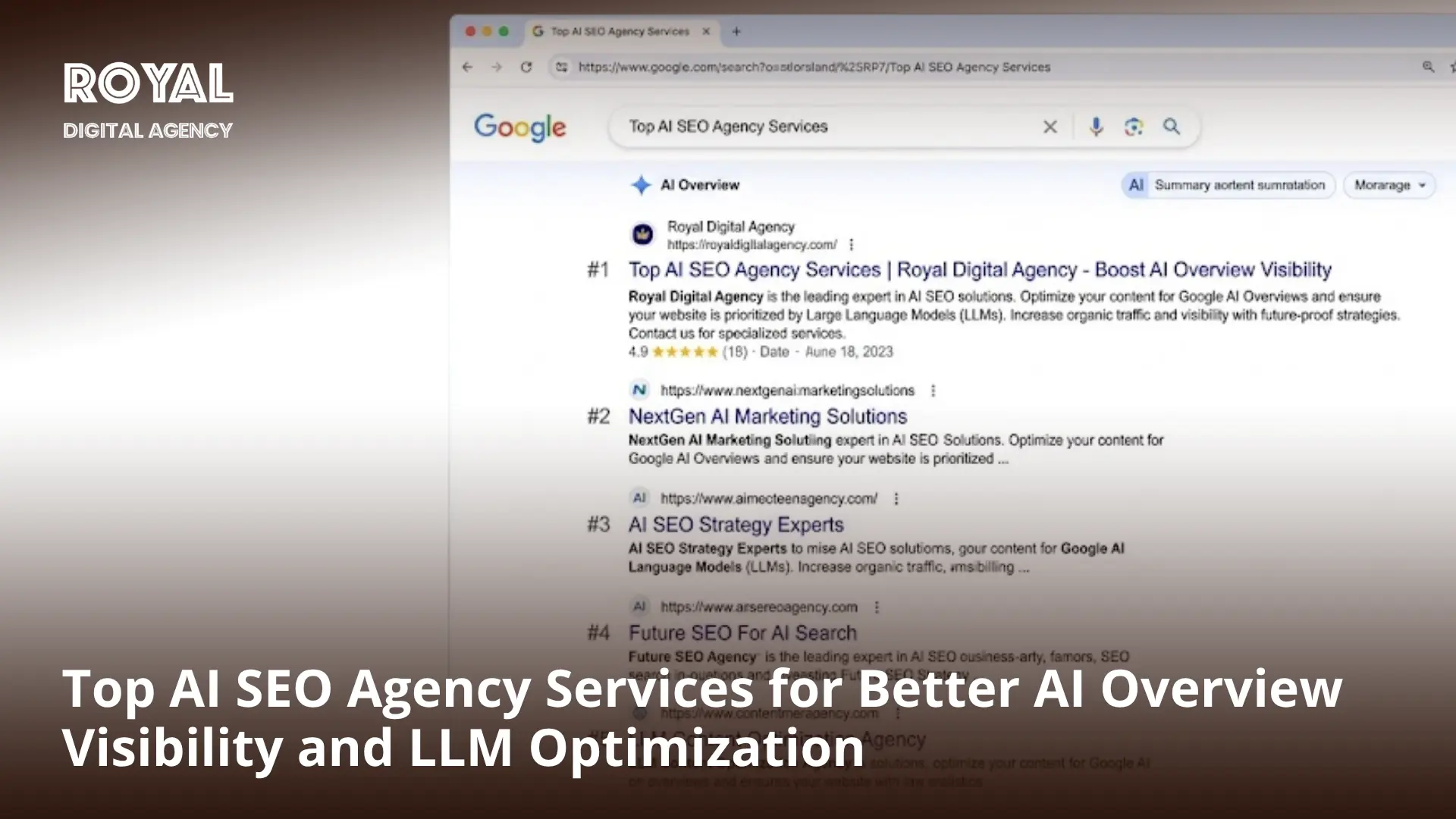
To optimize websites for search engines, the objective of SEO campaigns used to be clear: rank your website no. 1 in Google organic search results – the standard list of blue hyperlinks. Keyword rankings and organic traffic are considered to be success. But the landscape is changing with the rise in such an integration of generative AI into search engines. Search is getting more conversational, and many times the AI-written summaries don’t come after the regular results but above them. As the evolution has occurred, a complementary discipline has put forward: Generative Engine Optimization (GEO). So what is the difference between GEO and traditional SEO? It is a significant differentiation that businesses in this turbulent digital world of 2025 need to understand.
Despite having the general aim of boosting online presences, traditional SEO and GEO use different methods and pursue different results. Traditional best SEO copywriting services is about getting the right place on the list, while GEO is about ensuring your content is utilized and quoted by the AI. Knowing the difference and coexistence between these two strategies is fundamental to creating a complete and powerful online strategy in the era of generative search.
GEO vs SEO: A Comprehensive Comparison
With search technology coming of age, marketers are no longer cut off from searching two channels to visibility. Traditional Search Engine Optimization (SEO) and Generative search Engine Optimization (GEO). Although both efforts seek to make content more easily searchable according to search results, the means and goals differ.
Traditional SEO
Conventional SEO is based around ranking in the organic results of search engines such as Google. The methodology entails the optimization of one’s website in various ways to fit in with the way search algorithms evaluate quality, relevance and authority. Core strategies include:
- Keyword Optimization: Finding keywords and incorporating them seamlessly into your content allowing you to be found using certain search strings.
- Technical SEO: Ensure the speed, usability and ability for search engine bots to crawl and index your site.
- On-Page SEO: Improving meta titles, descriptions, headings and content, to increase visibility and user engagement.
- Off-Page SEO: Creating high quality backlinks from credible sites to increase your domain authority.
The goal of SEO is a simple one, push traffic to your site a high ranking in traditional searches.
Generative Engine Optimization
GEO is created generate more exposure in the AI Informed Search environments like Google’s AI overviews or Bing’s chat-based search. Such environments produce answers for those for interested users in real time, and sometimes by the time any clicks have been made. GEO is all about the indexing and understanding and surfacing by these AI systems. Key strategies include:
- Content Clarity and Structure: Creating content in a structured format, headings; bullet points; and direct answers which AI models can understand without difficulty.
- Topical Authority: Creating deep authoritative content clusters on various subjects to be the source of trust for AI generated answers.
- Structured Data: Schema markup is added to assist AI to understand context and relationship in your content.
- Answer-Based Content: Producing pre-released content with straight-lined responses to probable questions by the users in a concise factual manner.
The fundamental difference is why your content gets displayed. SEO directs people to click your link from a list. GEO inserts your content, or your brand, into the answer, so that the user’s understanding is defined from the beginning.
How GEO and SEO Work Together?
Despite their differences, GEO and traditional SEO are not mutually exclusive. They cooperate to create online visibility. GEO’s effectiveness hinges heavily on a robust SEO foundation. Together, they establish a broader approach to higher rankings and increased visibility in the search world by 2025.
1. Fundamentals of SEO That Weakens GEO’s Foundation.
SEO-based and well-optimised websites form the basic structure for success in generative AI search. Search engines favour authoritative and credible content, and by making sure the content is of the highest quality, technical soundness, and a good backlink profile. AI algorithms will likely use your site in the summary. Your site may lack credibility without an SEO foundation, and AI models may not accept it.
2. GEO Improves SEO by Increasing Visibility
In AI-created lists, the brand gets increased visibility, and it will promote traffic from a specific audience on your site. When AI models refer to your site, this increases your authority on the topic and increases clicks. In which can help improve your rank in traditional search results. This means that GEO can immediately boost the efficacy of your conventional SEO activities by improving visibility and authority.
3. Integrated Approach Maximizes Impact
To achieve the best outcomes, Google SEO should be combined with GEO strategy. For example, local businesses should enhance their site for local SEO and shape their content so that AI models can comprehend and incorporate it in answering similar inquiries. A perfect blend of both strategies increases your visibility, thus getting you ahead in the evolving search world.
Together, GEO and SEO build a holistic strategy that guarantees complete online presence, generates traffic, and re-asserts your brand authority.
Benefits of GEO and Traditional SEO in Digital Marketing
In the fast-developing world of digital marketing, GEO and traditional SEO are unique and beneficial to businesses. Knowing these benefits is important for developing a comprehensive strategy that will increase online visibility, traffic, and authority. This is a breakdown of the advantages each of these approaches offers.
Benefits of Traditional SEO:
- Drives Organic Traffic: SEO is best for bringing high quality traffic of organic users who are actively looking for particular information or services consequently creating site traffic.
- Builds Long-Term Authority: Through consistent SEO strategies, businesses slowly develop domain authority and trust and will rest as industry leaders in the not-so-distant future, which, ultimately, is bound to encourage customer loyalty.
- Improves Website Usability: SEO practices like mobile optimization, improvements in site speeds, and improved navigation make it easier to navigate your site and increases visibility to a more inclusive audience.
- Cost-Effective in the Long Run: SEO is, on the face of it, an upfront investment of time and resources. But it pays for itself over time as free sustainable organic traffic and is thus very cost-effective in comparison to continuous paid advertising.
Benefits of GEO:
- Increased Visibility: GEO guarantees that you are within AI-created summaries and answers on the search results page in high placement, increasing your visibility and practice with users.
- Direct Answers to Queries: GEO optimizes content to provide user-friendly direct answers to the user’s questions in an understandable and a concise form and places your brand as a source of valuable information.
- Builds Brand Authority in AI: When your products are cited in AI-generated search engines and the generative search models gain more influence. You gain brand power and credibility in the digital world.
- Adapts to Changing Search Behavior: As AI-driven search continues to influence users’ search behavior with search engines. In addition, GEO ensures that your strategy is in tandem with the developing trend of search behavior. Thus guaranteeing long-term success and relevance.
How GEO Differs from Traditional SEO?
Although SEO and GEO have similarities, the core of the difference is in the actual tactics applied to optimize their respective search technologies. Whereas traditional SEO attempts to rank ranking algorithms used by search engines. GEO seeks to optimize contents to be understood, processed and utilized by generative AI models integrated into search engines.
Traditional SEO Tactics:
- Keyword Research for Ranking: Traditional SEO determines the keyword’s high search volume and intent. The aim is to rank for these keywords to attract organic traffic by targeting what most people will search for.
- On-Page Optimization: This includes optimizing meta titles, descriptions, header tags, and the content itself for TextAlign and readability, respectively. The emphasis is that the content should be organised so that search engine crawlers can easily crawl it.
- Link Building: Traditional SEO involves getting authoritative websites linking back to give domain authority. The lesser the number of quality links that a site has, the better is the probability of the site having a high organic ranking in search engine results.
- Technical SEO: Makes the website speed optimized, mobile friendly, crawlable and indexable. It also makes sure that search engines can easily find and catalog a website’s content increasing its potential for ranking.
GEO Tactics:
- Content Optimized for Direct Answers: GEO is based on structuring content to answer common user questions directly. This may include using Q&A formats, summary sections, or direct explanations that AI models easily understand and relay back to users during their queries.
- Emphasis on Topical Authority: GEO clusters content around specific topics to demonstrate great knowledge and authority. The greater your possibility of building deep, integrated content around a given subject, the greater the chance that a given AI will recognize your expertise.
- Structured Data Implementation: Structured data or schema markup is a context or relationship within the content. Moreover, this implies providing structured data on local businesses, which helps an AI model give an accurate and relevant answer upon searching in local SEARCHES.
- Natural Language and Conversational Tone: GEO favors a content that is in a natural tone conversational. This fits in with how generative engines treat information because they are constructed to facilitate an elaborated form of information as if delivered by human beings more understandably.
- E-E-A-T (Experience, Expertise, Authoritativeness, Trustworthiness): Like any SEO, GEO calls for demonstrating E-E-A-T using a quality content, author bio, citations and sources. Still, focusing E-E-A-T will be of even greater importance for AI models to trust and use your content in AI-generated summarizations or search results.
FAQs
How GEO differs from SEO?
GEO, unlike SEO, optimizes content so that generative AI can use and cite it in search summaries. On the other hand, traditional SEO implements websites to be placed on the standard list of organic search results.
How generative AI/answer engines work?
Generative antagonistic AI/answer engines leverage massive language models to decode “free speech” queries, evaluate various web sources, and condense that information to give a synthesized or chatty answer in the search results.
How to appear in generative AI searches?
To rank in searches performed by AI machines, optimize your content to directly answer users’ questions, build topical authority, use structured data (schema markup), make your content neat and structured, and maintain a foundation of strong overall SEO and online authority.